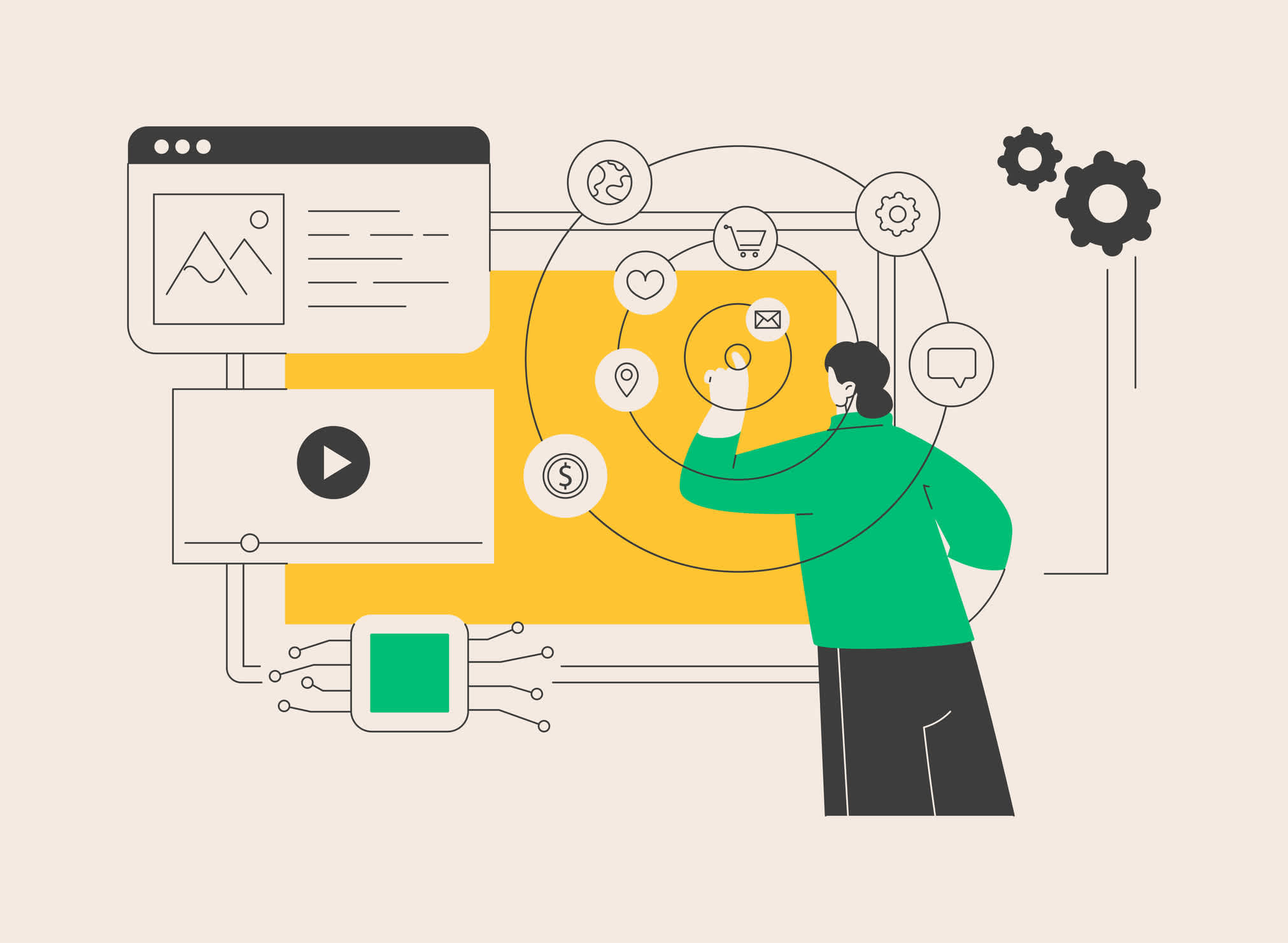
In today’s digital landscape, personalization is no longer a luxury but a necessity for brands striving to stand out and foster meaningful customer relationships. With consumers expecting tailored experiences that speak directly to their needs and preferences, businesses must leverage every tool at their disposal. One of the most powerful tools to achieve this is a Customer Relationship Management (CRM) system, which, when integrated with web platforms, enables highly effective web personalization tactics that drive engagement, loyalty, and conversions.
Sponsored Link
What Is CRM-Driven Web Personalization?
CRM-driven web personalization is the practice of using rich customer data stored in your CRM to deliver dynamic, individualized content and experiences on your website. This goes beyond generic demographic targeting by utilizing deep insights about customer behavior, preferences, purchase history, and engagement patterns to craft unique web journeys.
By tapping into CRM data, websites can automatically adapt elements such as:
- Content recommendations
- Product offers and promotions
- Messaging and CTAs (calls to action)
- Visual layouts and navigation
- Pricing and discounts
This tailored approach makes visitors feel understood and valued, significantly increasing the likelihood of conversion and repeat visits.
Key CRM-Driven Web Personalization Tactics
1. Dynamic Content Based on Customer Segments
Segment your audience in the CRM based on criteria like purchase history, browsing behavior, location, or engagement levels. Use these segments to display content blocks or product recommendations specifically curated for each group, increasing relevance and engagement.
2. Personalized Homepage Experiences
Leverage CRM data to customize homepage elements such as banners, featured products, or articles based on visitor profiles. For example, returning customers might see special loyalty offers, while new visitors receive introductory content.
3. Behavioral Triggers and Real-Time Adaptation
Integrate your CRM with web analytics to monitor real-time user behavior—pages visited, time spent, abandoned carts—and trigger personalized responses like pop-ups, chat invitations, or exclusive discounts that align with the visitor’s journey stage.
4. Tailored Product Recommendations
Using purchase and browsing data from your CRM, display recommended products or services that match individual customer preferences or complement previous purchases. This tactic increases cross-sell and upsell opportunities organically.
5. Customized Calls to Action
Modify CTAs dynamically based on CRM insights. For instance, prospects at early funnel stages might see CTAs inviting them to download educational content, whereas ready-to-buy customers receive “Request a Demo” or “Buy Now” buttons.
6. Geo-Targeted Offers and Content
Incorporate location data from CRM profiles to serve region-specific promotions, shipping information, or localized content, enhancing relevance and driving local conversions.
7. Personalized Email and Web Integration
Align your CRM-powered email marketing with website personalization by synchronizing customer touchpoints. Visitors who receive a promotional email can be greeted on the website with complementary offers or content related to the campaign.
8. Use of CRM Data in A/B Testing
Employ CRM segmentation to run A/B tests for different audience groups, measuring which personalized content or layouts resonate best. This data-driven approach refines personalization tactics continually.
Benefits of CRM-Driven Web Personalization
- Increased Conversion Rates: Personalized content drives higher engagement and purchase intent.
- Improved Customer Experience: Visitors feel recognized and catered to, boosting satisfaction and loyalty.
- Higher Average Order Values: Relevant recommendations lead to increased cross-sell and upsell.
- Better Customer Retention: Tailored offers and communication encourage repeat visits and purchases.
- Enhanced Marketing ROI: Focused targeting reduces wasted impressions and maximizes impact.
Best Practices for Implementing CRM-Driven Web Personalization
- Ensure Data Quality: Maintain accurate, up-to-date CRM records to power effective personalization.
- Prioritize Privacy and Compliance: Collect and use customer data transparently, adhering to GDPR, CCPA, and other regulations.
- Start Small and Scale: Begin with simple personalization tactics, measure results, and expand as you gain confidence.
- Integrate Systems Seamlessly: Connect your CRM with web platforms, marketing automation, and analytics tools to enable real-time data flow.
- Continuously Analyze and Optimize: Use insights from CRM and website performance to refine and enhance personalization strategies.
Conclusion
Incorporating CRM-driven personalization tactics into your web strategy empowers businesses to create meaningful, data-backed customer experiences that differentiate them in a crowded digital marketplace. By leveraging the wealth of customer insights within your CRM, you can deliver relevant content, offers, and interactions that not only boost conversions but also cultivate lasting customer loyalty.