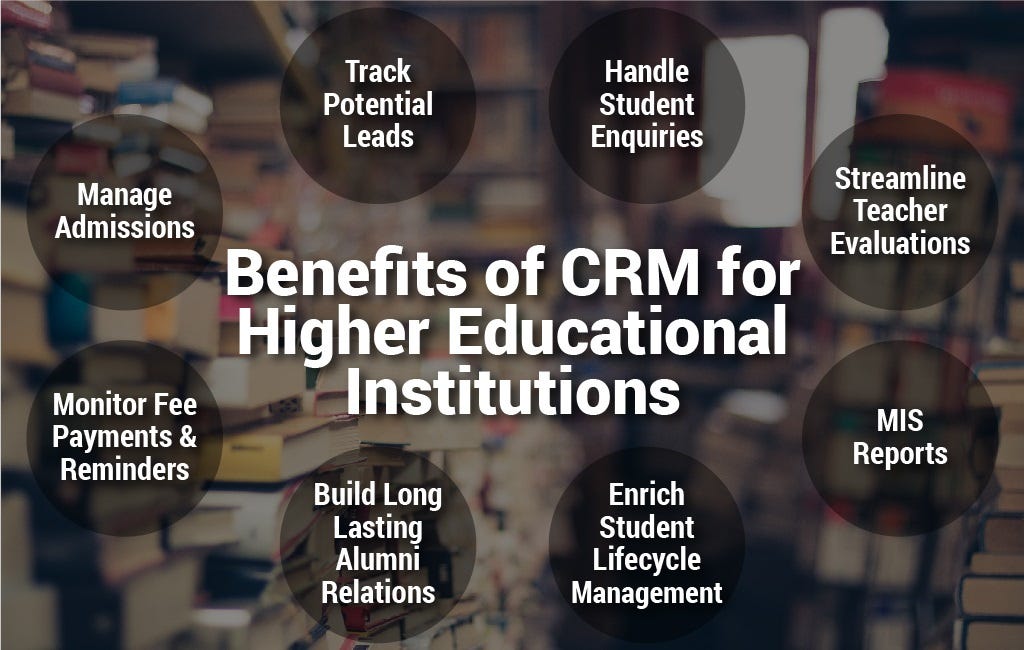
In today’s fast-evolving educational landscape, institutions must deliver personalized experiences, streamline operations, and nurture lasting relationships with students, parents, faculty, and alumni. A Customer Relationship Management (CRM) system tailored specifically for educational institutions offers a powerful solution to meet these challenges head-on. By integrating all facets of communication, administration, and data management, CRMs help educational entities boost enrollment, enhance student success, and improve institutional efficiency.
Sponsored Link
Why Educational Institutions Need a CRM
Educational institutions face unique demands: managing thousands of students, diverse programs, multiple communication channels, and a broad stakeholder network. Traditional administrative systems are often fragmented, making it difficult to track student journeys from inquiry to enrollment, retention, and graduation.
Implementing a CRM designed for education enables institutions to:
- Centralize student and prospect data for a unified view of engagement.
- Personalize communication to prospective students and current learners.
- Automate recruitment, admissions, and enrollment processes.
- Enhance alumni and donor relations for long-term fundraising success.
- Provide data-driven insights for improved decision-making and strategy development.
Key Features of CRM Systems for Educational Institutions
1. Prospect and Lead Management
CRMs enable education providers to capture inquiries from multiple channels—web forms, events, social media—and track prospects through the recruitment funnel. Automated follow-ups and segmentation help nurture leads with timely, relevant communications that boost application and enrollment rates.
2. Admissions and Enrollment Automation
Streamlining the admissions process is vital for reducing manual work and minimizing errors. CRM workflows can automate application tracking, document management, interview scheduling, and admission decision notifications, delivering a seamless experience for both staff and applicants.
3. Student Lifecycle Tracking
A comprehensive CRM tracks student progress throughout their educational journey, including course enrollments, academic performance, attendance, and extracurricular involvement. This 360-degree view supports personalized student support, timely interventions, and improved retention.
4. Communication and Engagement Tools
Effective communication with students, parents, faculty, and alumni is essential. CRMs provide multi-channel communication options—email, SMS, push notifications—with targeted messaging tailored to individual groups or campaigns.
5. Alumni and Donor Relationship Management
Maintaining strong alumni and donor networks is crucial for fundraising and community building. CRMs offer tools to track engagement, manage events, facilitate donation campaigns, and maintain up-to-date contact records.
6. Reporting and Analytics
Data-driven insights empower institutions to analyze recruitment funnel effectiveness, student success metrics, fundraising performance, and operational efficiency. Customizable dashboards and reports help leadership make informed strategic decisions.
Benefits of Using CRM in Educational Institutions
Enhanced Student Recruitment and Enrollment
By nurturing prospects with personalized, automated communication, educational institutions can increase application conversions and reduce enrollment cycle times, ultimately driving growth.
Improved Student Retention and Success
With real-time access to student data and engagement history, staff can proactively address academic or social challenges, increasing retention and graduation rates.
Streamlined Administrative Workflows
Automation reduces manual tasks for admissions, registrar offices, and student services, freeing staff to focus on higher-value activities such as personalized counseling and relationship building.
Stronger Community and Alumni Engagement
CRMs help maintain continuous connection with alumni, fostering a sense of belonging and encouraging donations, mentorships, and advocacy.
Regulatory Compliance and Data Security
Education-focused CRMs ensure adherence to data privacy laws like FERPA, GDPR, and other regional regulations, safeguarding sensitive student information.
Best Practices for Implementing CRM in Education
- Define Clear Objectives: Align CRM goals with institutional priorities, whether boosting enrollment, improving retention, or enhancing alumni relations.
- Involve Stakeholders: Engage admissions officers, IT staff, faculty, and student services early to ensure the system meets diverse needs.
- Customize for Education Needs: Tailor the CRM’s fields, workflows, and communications to reflect your institution’s unique processes and terminology.
- Prioritize Data Quality: Regularly update and cleanse data to maintain accuracy and reliability.
- Provide Comprehensive Training: Equip staff with the knowledge to fully leverage CRM features and integrate the system into daily workflows.
- Monitor and Optimize: Use analytics to continually assess CRM effectiveness and adapt strategies accordingly.
Emerging Trends in Educational CRM
- AI and Predictive Analytics: AI-powered CRMs forecast student success risks, personalize communications, and optimize recruitment targeting.
- Mobile CRM Access: Increasingly, institutions enable staff and students to interact with CRM data via mobile apps for on-the-go engagement.
- Integration with Learning Management Systems (LMS): Connecting CRM with LMS platforms provides a unified ecosystem that supports both academic and relationship management.
- Omnichannel Communication: Combining email, social media, chatbots, and SMS ensures seamless interaction across student touchpoints.
A CRM system built for educational institutions is no longer a luxury but a necessity to stay competitive, relevant, and effective in today’s dynamic environment. By centralizing data, automating key processes, and personalizing stakeholder engagement, educational organizations can unlock greater operational efficiency, stronger relationships, and improved outcomes for students and communities alike.