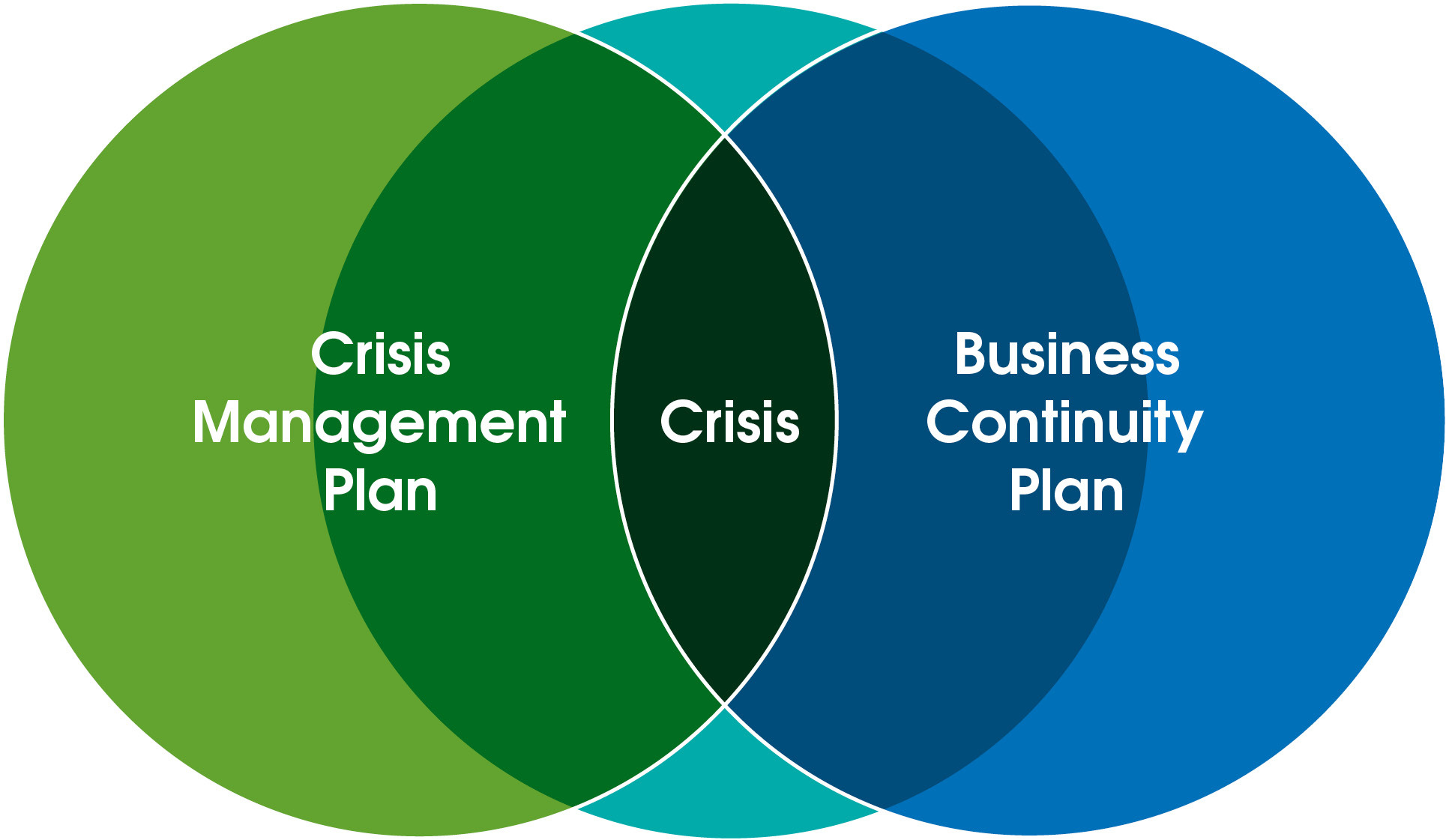
In an unpredictable business environment, crisis management has become an essential function for organizations aiming to protect their reputation, operations, and customer relationships. Whether dealing with data breaches, natural disasters, supply chain disruptions, or public relations crises, having a robust crisis management plan is critical. A powerful yet often underutilized tool in this context is a Customer Relationship Management (CRM) system. When integrated into crisis management strategies, CRM solutions enhance communication, coordination, and recovery efforts.
Sponsored Link
Why CRM Is Integral to Crisis Management Plans
At its core, a CRM system is designed to centralize and streamline customer data and interactions. During a crisis, these capabilities translate into:
- Real-time access to customer information that enables tailored communication.
- Centralized communication channels to coordinate messaging across teams.
- Tracking and managing outreach efforts to maintain transparency and build trust.
- Data analytics to identify impacted segments and prioritize responses.
- Documentation of crisis activities for accountability and future learning.
By leveraging CRM technology, organizations can respond swiftly, consistently, and empathetically during critical moments.
Key CRM Use Cases in Crisis Management
1. Rapid Identification of Affected Customers
In crises involving service disruptions or product recalls, CRM systems help quickly identify customers who are impacted based on purchase history, location, or service agreements. This segmentation enables focused, relevant outreach rather than broad, generic messaging.
2. Personalized and Transparent Communication
CRM platforms allow for mass communication campaigns that remain personalized, addressing customers by name and referencing their specific situations. Clear, transparent updates reduce confusion and mitigate frustration during crises.
3. Coordinated Multi-Channel Messaging
By integrating CRM with email, SMS, social media, and call center tools, organizations ensure consistent messaging across all touchpoints. This omnichannel approach prevents misinformation and keeps customers informed in their preferred communication channels.
4. Task and Workflow Automation
During high-pressure crisis situations, automating tasks such as sending follow-up emails, scheduling callbacks, or escalating urgent cases ensures timely and reliable responses without overburdening staff.
5. Real-Time Monitoring and Feedback Collection
CRM dashboards provide real-time insights into customer sentiment, service inquiries, and complaint volumes. Feedback collected through surveys or direct communication helps organizations adapt their crisis strategies on the fly.
6. Internal Collaboration and Incident Documentation
A CRM system serves as a centralized hub for crisis teams to share updates, assign responsibilities, and document decisions and outcomes. This improves coordination and creates an audit trail for post-crisis review.
Benefits of Integrating CRM into Crisis Management Plans
- Faster Response Times: Immediate access to accurate customer data accelerates targeted communication.
- Improved Customer Trust: Personalized, transparent outreach reinforces brand reliability.
- Reduced Operational Chaos: Automated workflows and centralized information reduce errors and duplication.
- Enhanced Decision-Making: Data-driven insights enable strategic prioritization during crises.
- Comprehensive Reporting: Detailed logs support regulatory compliance and internal evaluations.
Best Practices for CRM-Enabled Crisis Management
- Prepare in Advance: Configure your CRM with crisis-ready templates, automated workflows, and segmentation criteria tailored to potential scenarios.
- Train Teams: Ensure customer service, sales, and communication teams are proficient in using CRM tools during crisis situations.
- Maintain Data Accuracy: Keep customer data updated to enable effective targeting and messaging.
- Integrate Communication Platforms: Connect CRM with all relevant channels for unified crisis communication.
- Regularly Test and Update Plans: Simulate crisis scenarios to validate CRM workflows and improve response protocols.
Conclusion
Incorporating a CRM system into crisis management plans empowers organizations to manage disruptions with precision, speed, and empathy. By leveraging CRM’s data centralization, automation, and communication capabilities, businesses can protect customer relationships, safeguard brand reputation, and emerge stronger from crises.